
I keep this domain active primarily as a contact portal, so please say hi if you’d like! 👋
BIO:
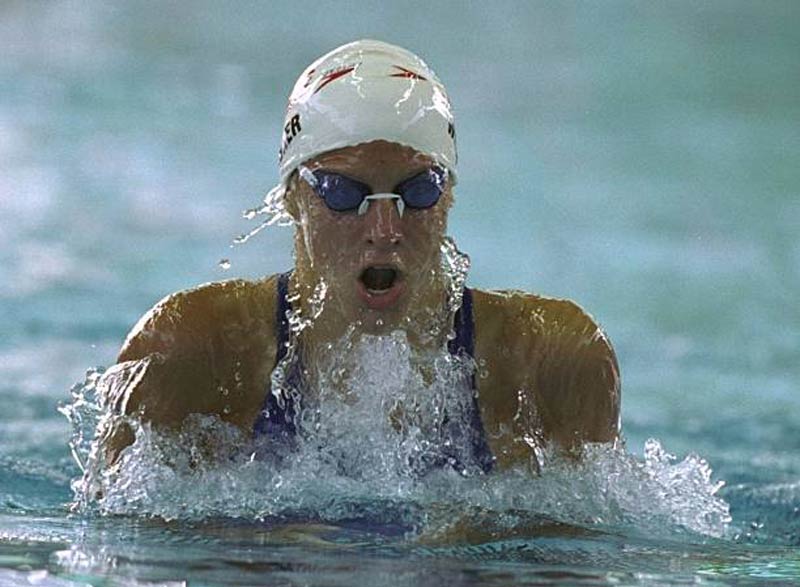
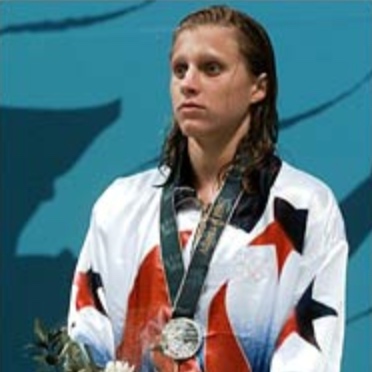
I grew up in Texas, Virginia, Germany, Maryland, and Florida as the daughter of a West Point graduate and Lieutenant Colonel in the Judge Advocate General’s Corps of the U.S. Army (father) and a teacher (mother). My parents required that my brothers and I played at least one sport as a way to teach us to value our health. I was seven years old and living in Virginia when I was presented with the three options available in our community for girls: softball, soccer, or swimming. At this age, I was also standing on the local neighborhood corner challenging any kid who walked by to a running race after school, so perhaps my parents were also trying to save the neighborhood kids from further torture! I loved to race and the water, so I chose swimming. I swam my first competitions in Virginia and continued in Germany when my father was stationed to Heidelberg and West Berlin for the next three years. I competed in the European Forces Swim League representing the Heidelberg Sea Lions and the Berlin Barracudas. After returning stateside at the age of 11, I started twice-daily training and focused on breaststroke events as a member of the University of Maryland Baltimore County Retrievers swim club. My family moved two years later to Gainesville, Florida, and I joined the University of Florida campus-based club team called the Florida Aquatics Swim Team. Living in seven different cities before high school was difficult, but having a swim team to be a part of in each new place made the process of constant change a lot easier. Plus, the exposure to a lot of different types of people and cultures was beneficial in terms of personal development. At 14 years old, I jumped from being tied for 71st in the country to placing 5th at the 1992 U.S. Olympic Swimming Trials. It was then that I realized that the Olympic dream may actually be possible for me. At the same time, I was enrolled in the demanding, but great, high school curriculum of the International Baccalaureate program. I went on to win an Olympic silver medal at the Atlanta 1996 Olympic Games in the 400 Individual Medley (I.M.), become a 13-time U.S. National Champion, NCAA Champion, an Academic All-American while at the University of Florida, and I helped pioneer the use of a new back-to-breast turn that is now used by all elite-level I.M. swimmers. More of my swim info is on wikipedia. I loved that individually medley, often called the “decathlon” of swimming, was so physically and mentally challenging, that I had the opportunity to race every day, and that I had many teammates who were like older brothers to me. Throughout my career, I also had many wonderful open water experiences (see below for some images of some of my favorite dolphin encounters!).
One of my favorite races and proudest moments in my swimming career was setting a world record at the age of 16 in the 200 individual medley at the short course world championships. That record is still the longest-standing world record for any women’s individual swimming SCM event of all time (almost fifteen years!).
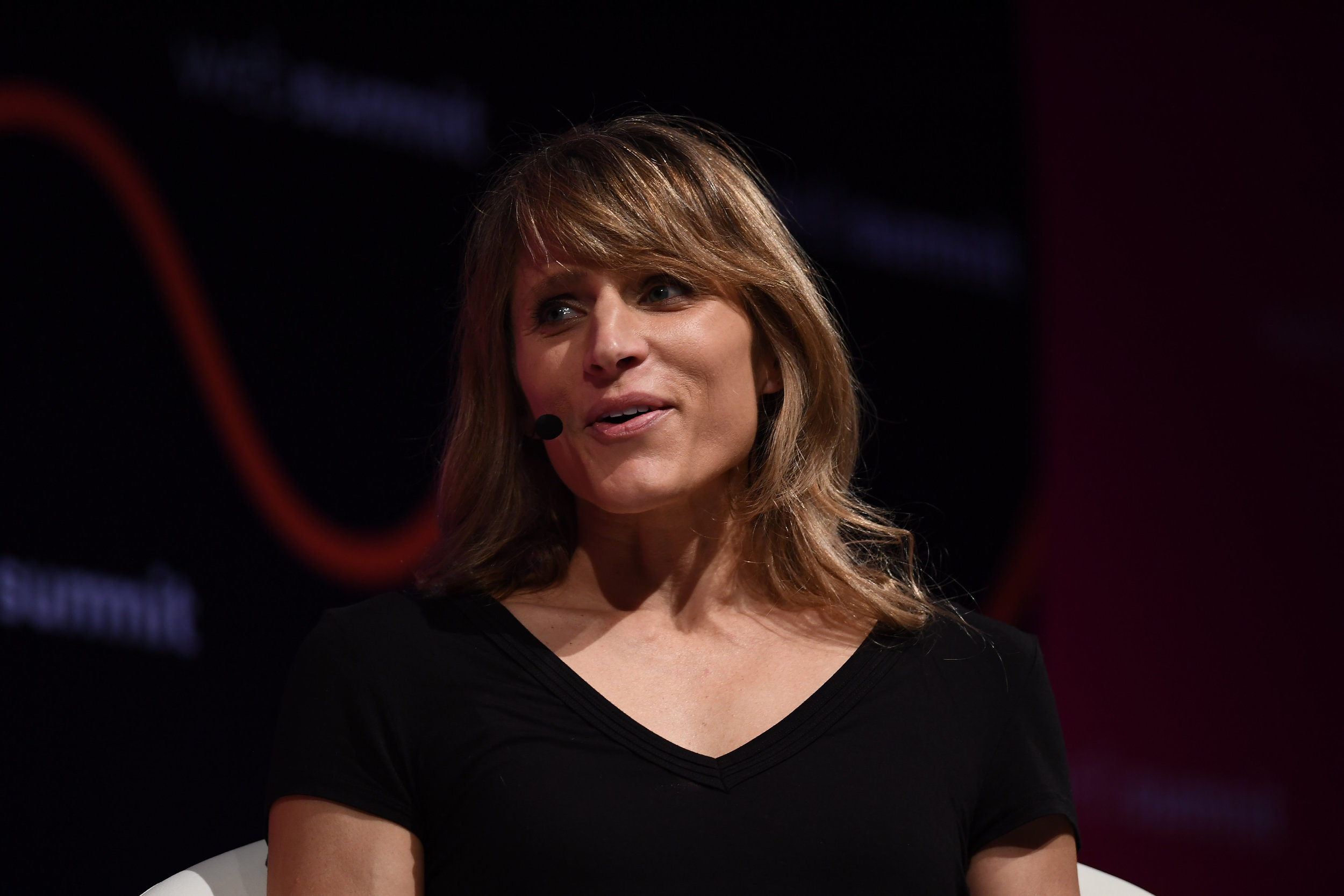
Unfortunately, I won multiple silver medals at top-level competitions to athletes who were later proven to have doped. The sacrifices athletes make, and the respect clean athletes show to their sport and their competitors by competing fairly, need to be honored and protected. When I watched the news of the Russian doping scandal unfold, I realized many more athletes would experience what I experienced as an athlete, years later, and after a system was put in place that was supposed to protect an athlete’s right to a level playing field. I was one of the first cohort of seven Olympians selected by the International Olympic Committee to study in the Erasmus Mundus Joint Master’s Degree program in Sport Ethics and Integrity. I am passionate about protecting athletes from all types of injustices in sport and I am currently devoted to my role as the Director of Athlete and International Relations at the U.S. Anti-Doping Agency.


Image credits - beach: photo by Photo by Ibrahim Rifath on Unsplash. Photos of me: In competition, Jed Jacobsohn/Allsport. On the Atlanta 1996 Olympic podium, Doug Mills/Associated Press. Talking about integrity in sport, Stephen McCarthy/Web Summit. Swimming with dolphins in Kona, Hawaii, 2006, Shane Gould.